S6: Equity, Diversity & Inclusion
July 17th, 2026
Location
Carroll Square
975 F St NW, Washington, DC, 20004
Led by
Alexandra Linarez
Ethan Hopkins, AIA, NCARB, LSSYB
Session 6 explored Equity, Diversity and Inclusion through three modules that explored individual, firm and practice wide methods, as well as design methods to achieve diverse and equitable spaces for all.
Act 1: Beyond the Checklist: Demystifying the Guides for Equitable Practice
Zachary Henry-Litchliter, AIA, NOMA, NCARB
Kerry A. Nolan, AIA, LEED AP BD+C
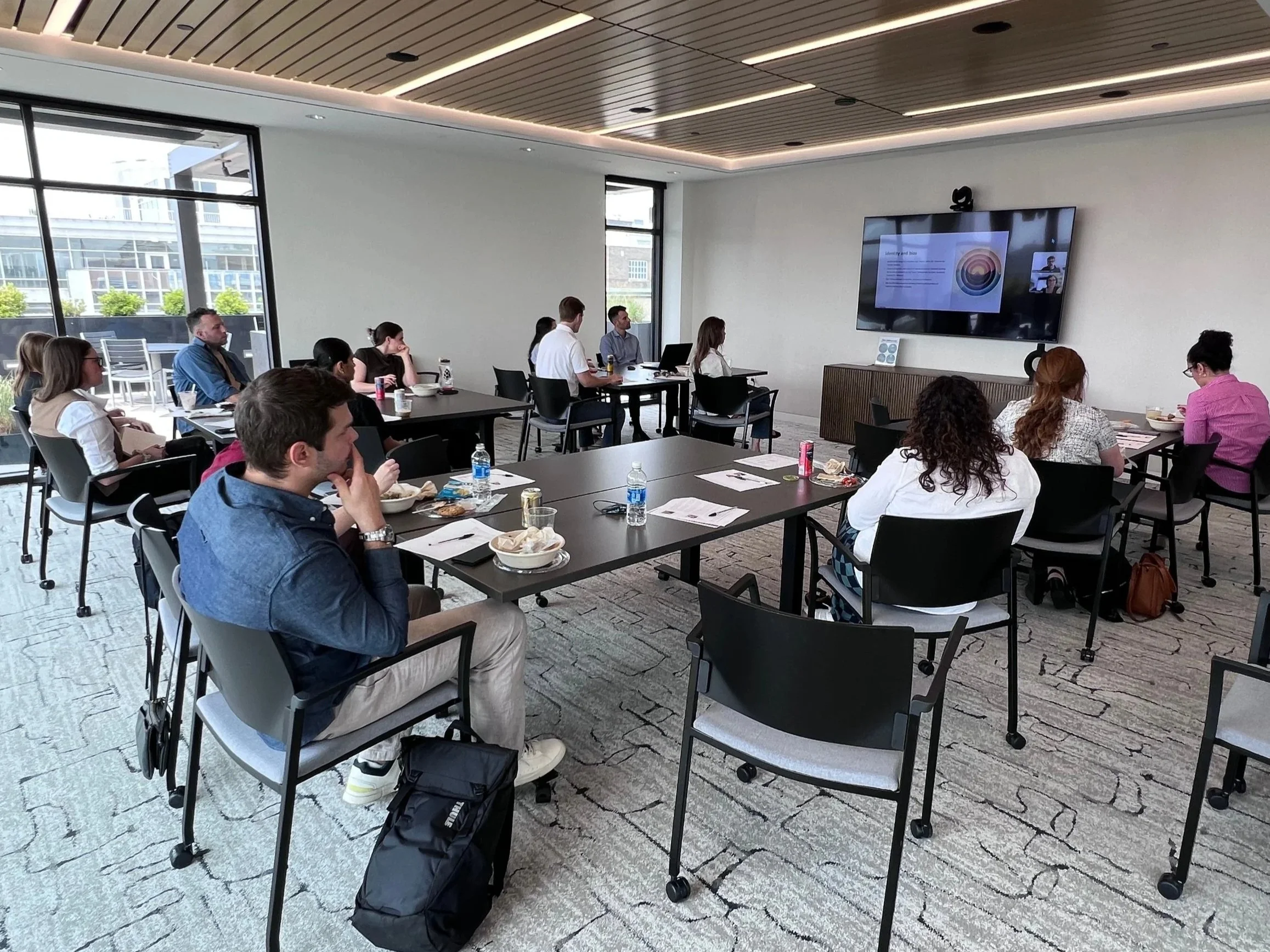
Module #1 began with a presentation by Zachary Henry-Litchlitter and Kerry A. Nolan, ambassadors for the AIA Equity and Future of Architecture (EQFA) Committee. Zachary and Kerry introduced the AIA Guides for Equitable Practice, why these guides matter, and how to apply these guides on the individual, firm, and practice level. Utilizing menti for an interactive presentation and discussion, scholars learned about the guides and key definitions. The module focused on Chapter 1: Intercultural Competence and how the understanding of culture and values that drive behavior increase diversity, equity, and inclusion efforts. As noted in the guides, a well-managed diverse group is more productive and creative than non-diverse groups, further proving the necessity to understand and recognize cultural differences and conscious or unconscious biases. The module concluded with discussion about “what good looks like” and the inclusion of scenarios in the guides to assist in applying the guides to real-world situations.
Darlene R. Slaughter
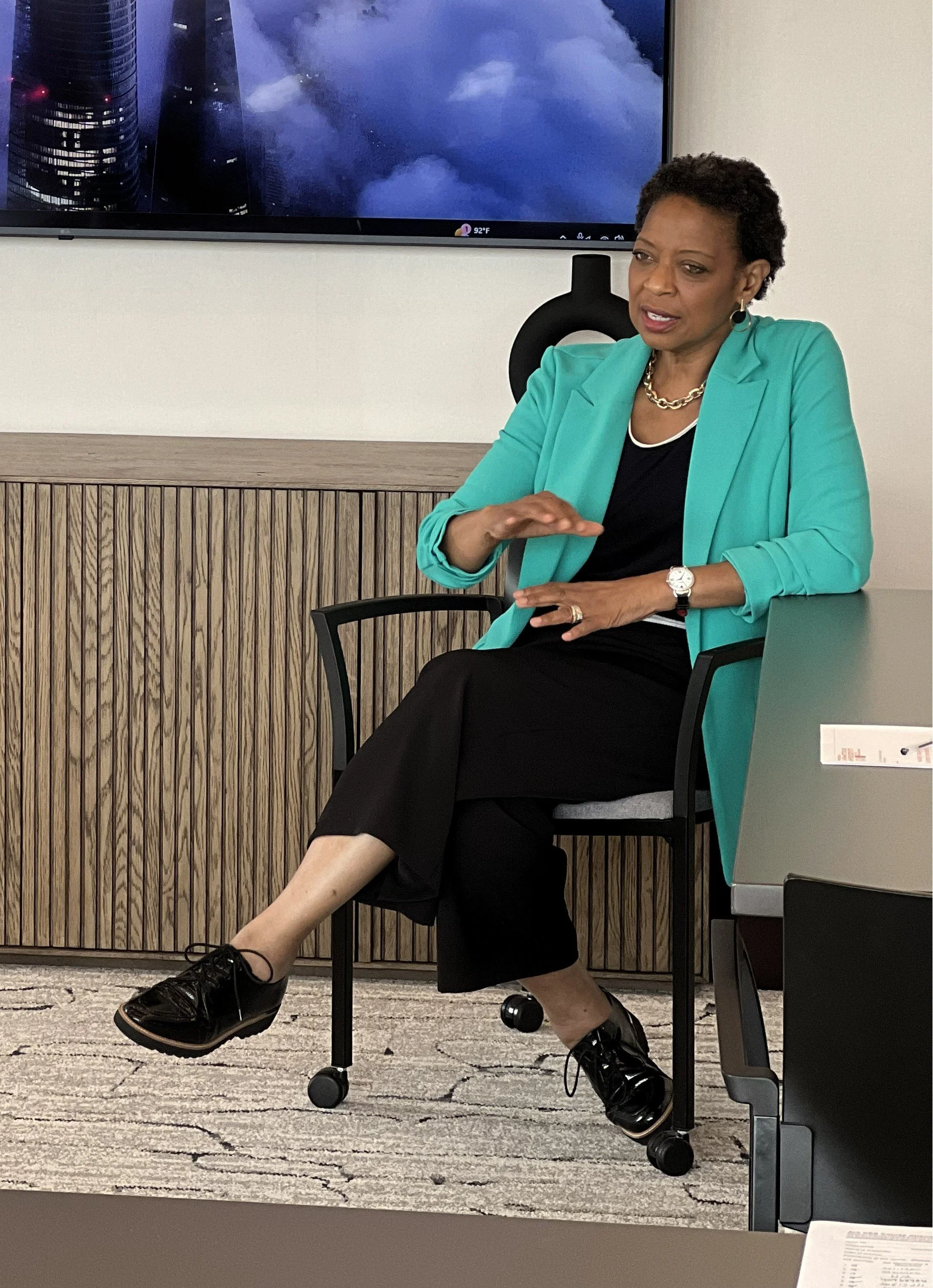
The second module focused on Darlene Slaughter’s professional experience in DEI and her insights to the shift in the profession over the course of 30 years. The module began with two key messages, (1) DEI is about supporting each other and working better together and (2) that people are more similar than they are different. A key term, equity, was explained in the context of equality, as both words are often confused with one another. While equity and equality have similarities, equity must be overlaid onto equality and look at all variables, including paying attention to what you are not seeing. Slaughter focused on the need for honest conversations as the way to bring about change and to meet the goals of working better, together.
Act 2: Building Belonging Through Honest Conversations
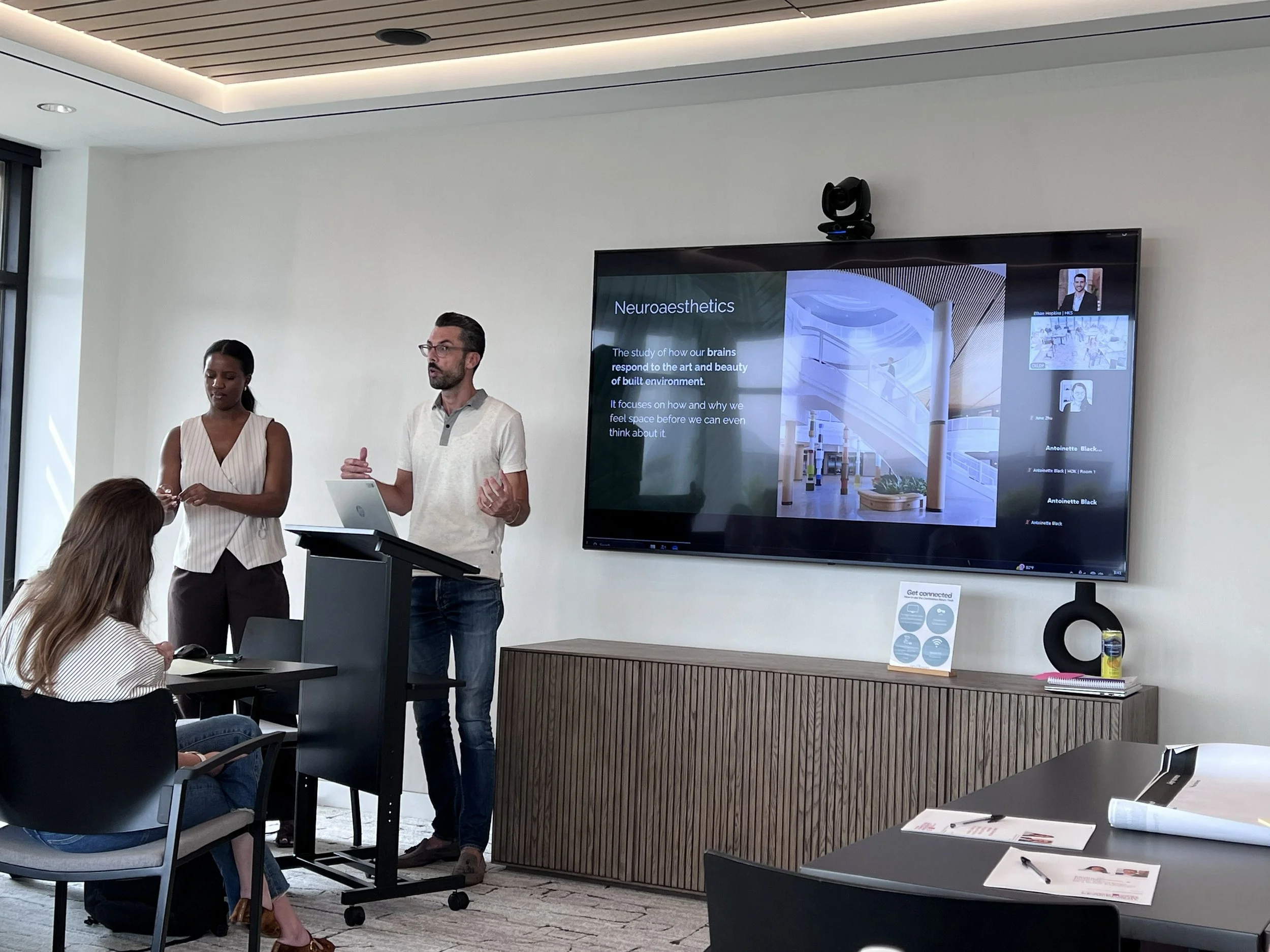
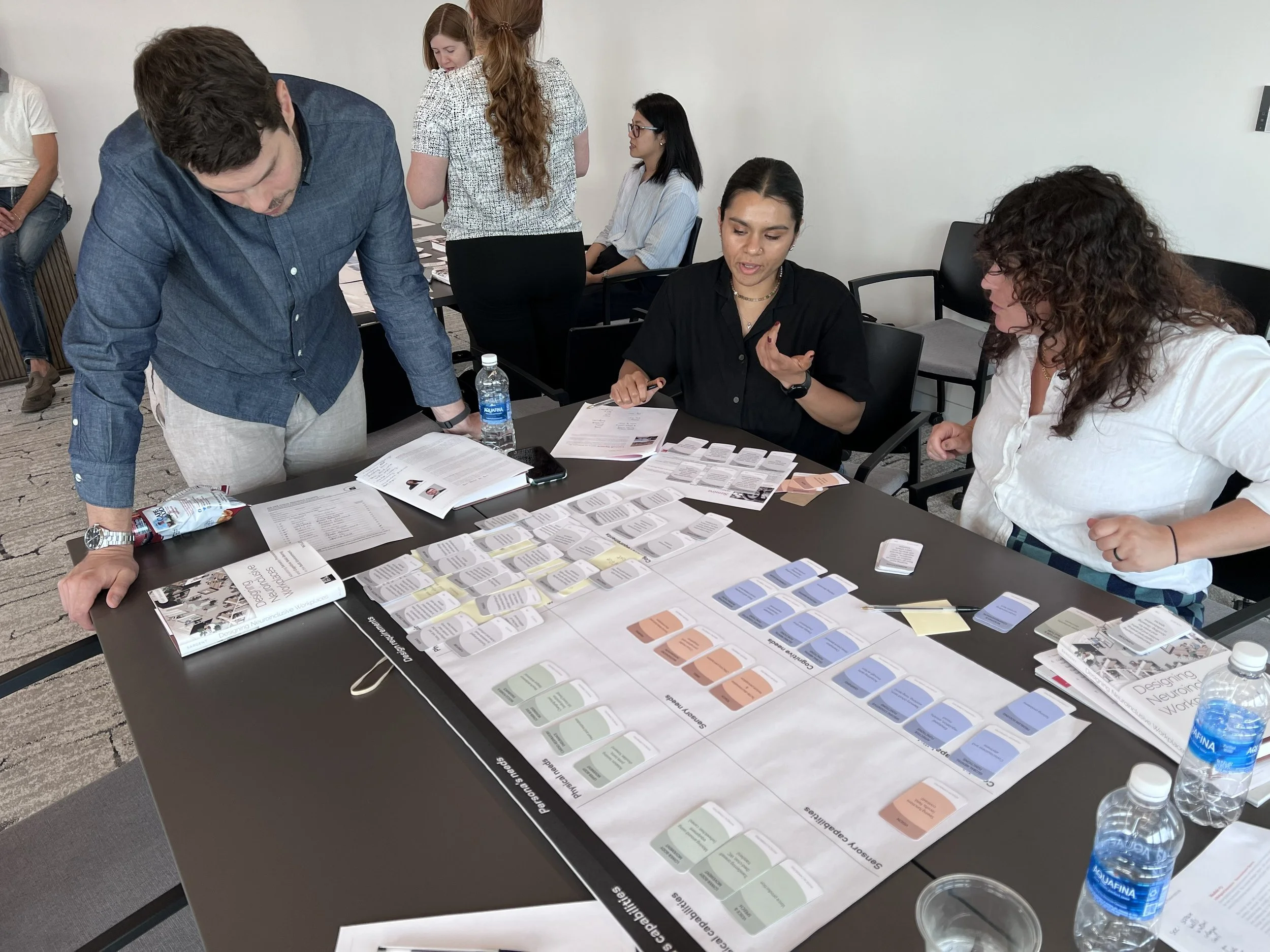
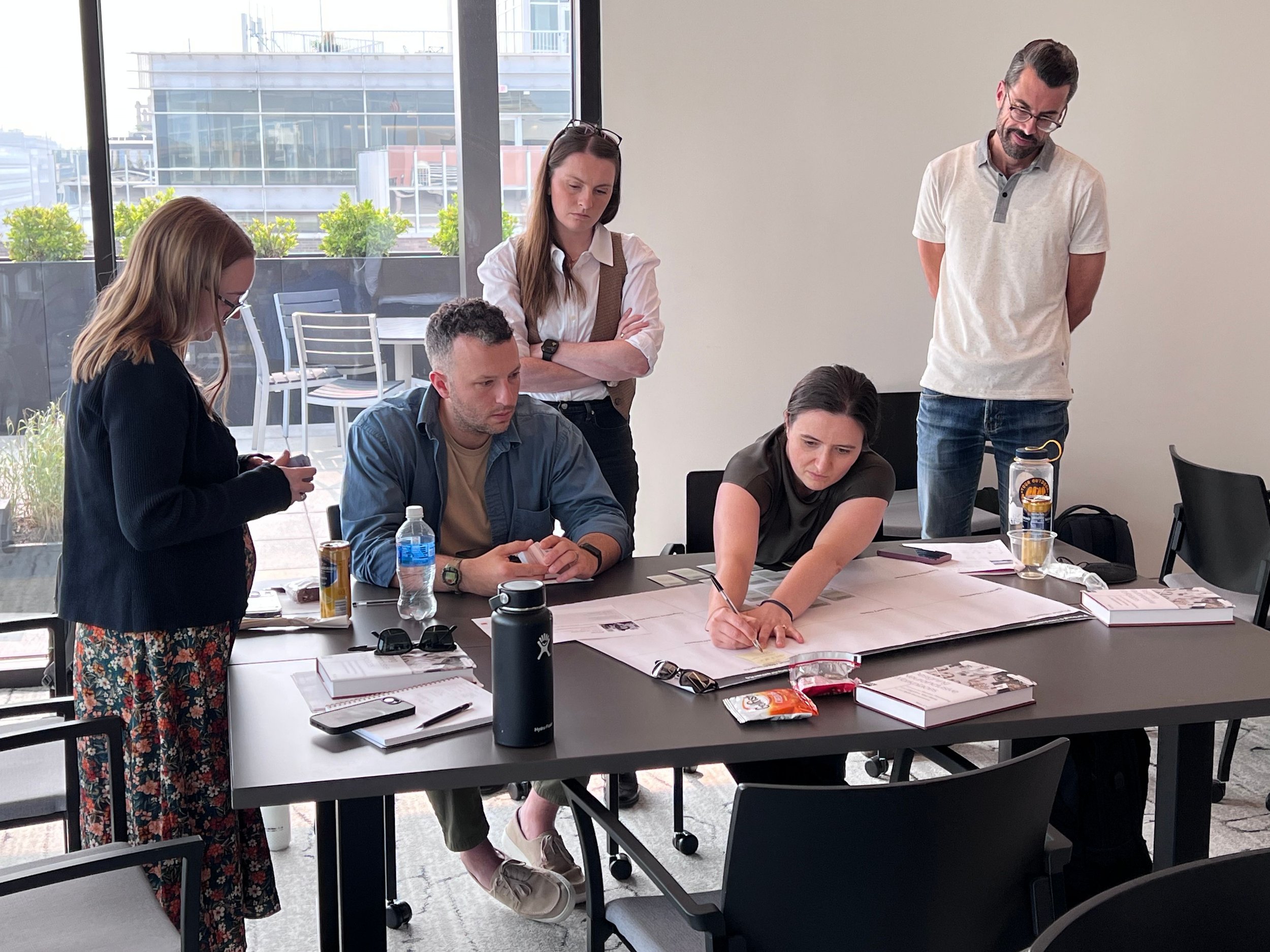
Module #3 focused on the design of neuroinclusive spaces and featured key research developed by HOK over the past 10 years. Presented by Antoinette Black and Kent McCullough, both presenters introduced the concept of neuroaesthetics, the study of how our brains respond to the art and beauty of the built environment. The creation of neuroinclusive spaces challenges designers to move away from intuitive design habits towards intentionality in design to meet the needs of various types of users. Shifting focus onto sensory thresholds, scholars were asked to think about the sensory decisions made in design and how they impact users. This concept was furthered with a persona mapping activity, in which groups of scholars were given a persona with certain sensory, cognitive, and physical needs and requirements. Black and McCullough concluded that architects and designers should approach design with “design dials” that can shift to achieve neuroaesthetic design goals.
Antoinette Black, AIA, NOMA, NCARB, LEED Green Associate
Kent McCullough, IIDA, NCIDQ, LEED AP BD+C
Act 3: A Biological Imperative - Neuroinclusive Spaces
Thank You to the 2026 Session 6 Sponsors