S4: Business Development & Entrepreneurship
May 15th, 2026
Location
2100 PENN
2100 Pennsylvania Avenue, NW, Washington, DC, 20037
Led by
Vidusha Sridhar, AIA
Joanna Witt, LEED AP
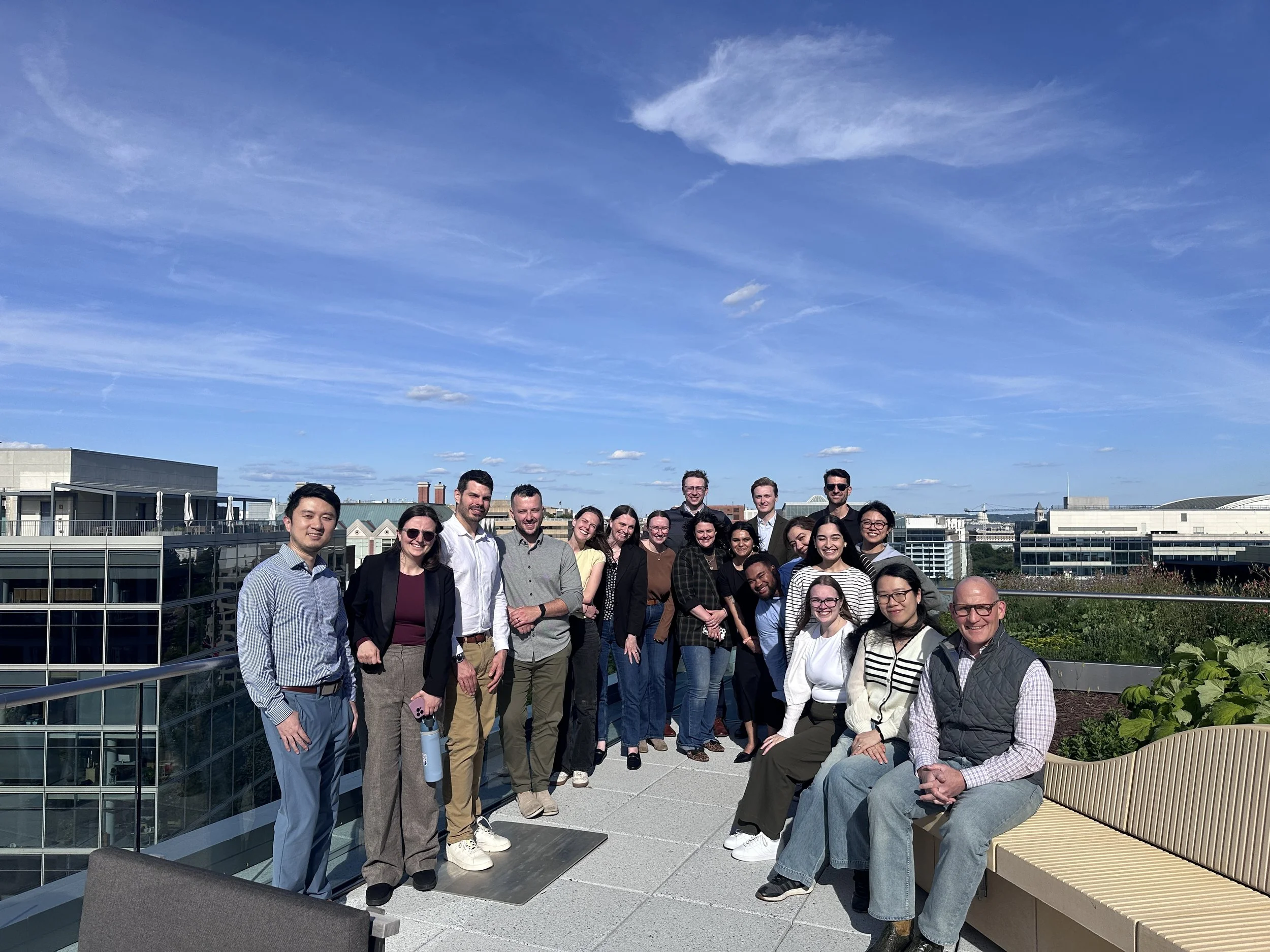
Session 4 explored the evolving nature of professional development within architecture and related fields, emphasizing the importance of relationship-building, strategic career decisions, and long-term goal setting. Structured across four acts, the session examined how practitioners can leverage connections, reassess career trajectories, and define personal aspirations while grounding insights in real-world examples.
Act 1: Business Evolution Panel Discussion
Filiz Basaran, AIA, LEED Green Associate, CDT
Valerie Boudreaux, AIA, LEED AP, WELL AP, CDT
David Shove-Brown, AIA, NCARB
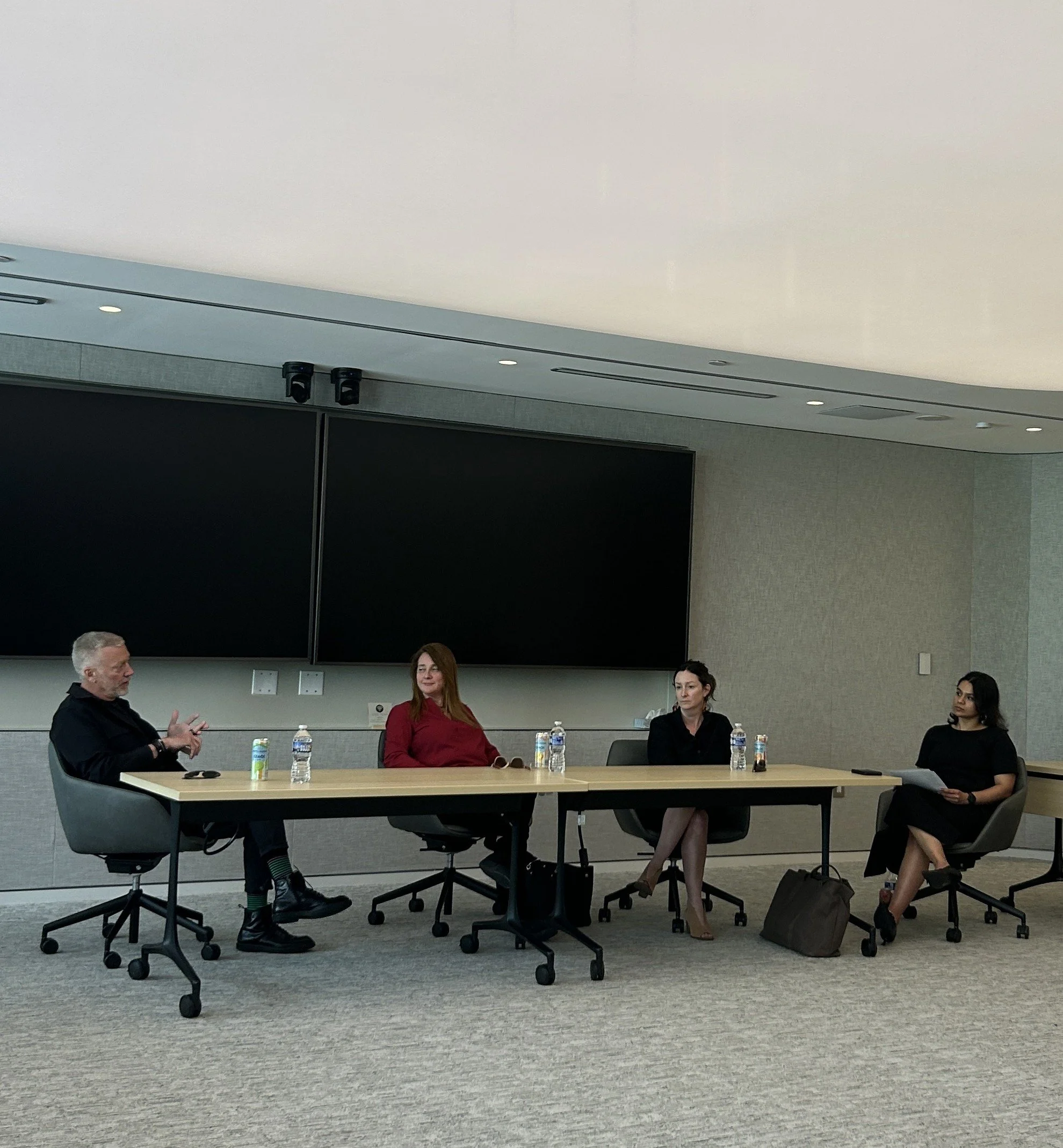
This panel discussion focused on the critical role of relationships in shaping a successful and sustainable practice. Speakers emphasized that strong professional networks are not only built through initial connections but sustained through consistent follow-up, shared interests, and trust. A key theme was the value of repeat clients, which provide stability and continuity in an otherwise unpredictable industry. Maintaining these relationships requires carefully balancing personal rapport with professional boundaries by effectively “steering the ship” between friendliness and accountability. Participants also discussed strategies for diversifying project portfolios to maintain financial and creative balance, alongside methods for assessing risk when engaging with new or unfamiliar clients. Practical advice included consulting past collaborators, learning from others’ experiences, and trusting one’s instincts when making decisions. The conversation extended beyond business development into personal growth, highlighting the role of mentorship, goal setting, and self-confidence.
Gini Hetherington, NEWH
Ann Hsieh, NCIDQ
Ben Norkin, Architect
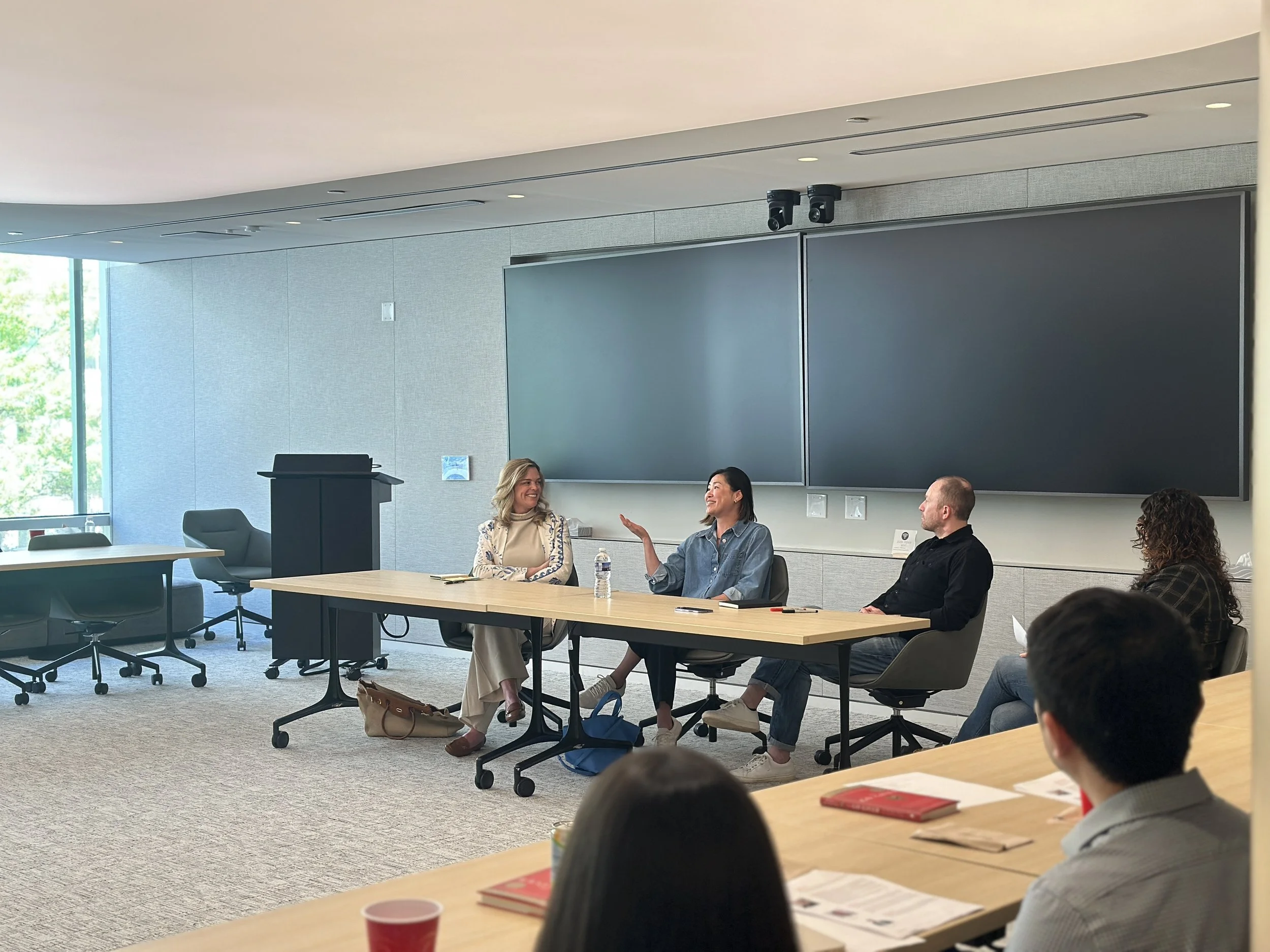
The second panel shifted to a discussion around career transitions and the opportunities available beyond traditional architectural roles. Discussions centered on recognizing when professional growth feels limited and taking proactive steps to regain a sense of control over one’s trajectory. A major focus was the transition from design and production work to understanding the business side of the industry. This shift enables architects to engage more deeply with decision-making, finances, and client relationships, broadening their overall impact. Importantly, the speakers emphasized that career changes are not permanent; professionals can return to traditional roles with new perspectives and expanded skill sets. Participants were encouraged to reflect on their personal preferences by identifying what they enjoy and what they do not as a guide for making informed career decisions. The discussion also touched on professionalism and reputation: maintaining a positive demeanor, even in challenging situations, is essential in a relatively small industry. Confidence, awareness of opportunities, and openness to change were framed as key drivers of long-term success.
Act 2: Architecture Adjacent

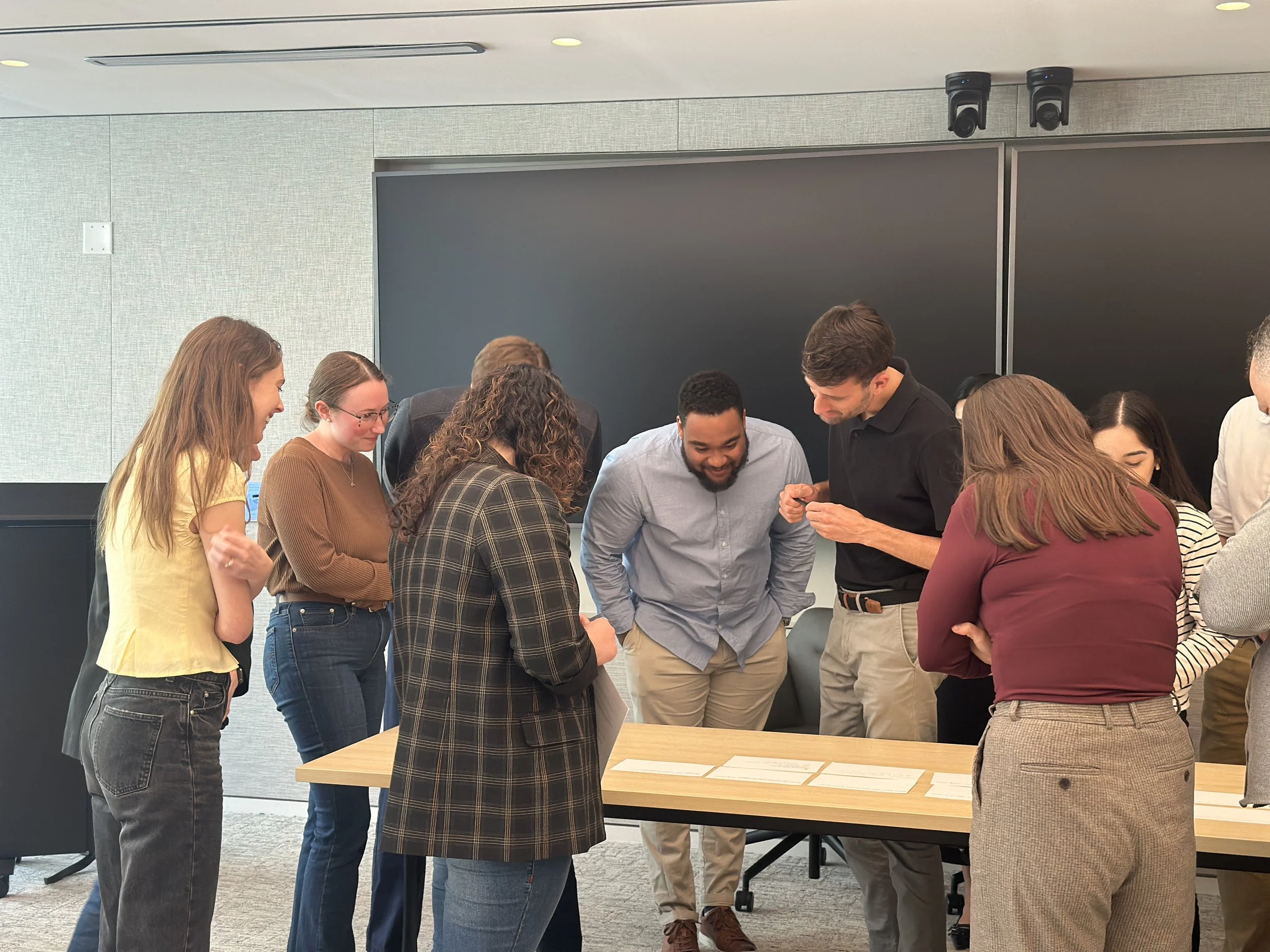
This interactive portion of the day translated reflection into action through a goal-setting exercise. Scholars were asked to write hypothetical future headlines describing where they envision themselves in five years. This exercise encouraged clarity of purpose and helped distill personal and professional aspirations into concise, tangible outcomes. Following this visioning exercise, scholars worked in groups to develop realistic action steps to achieve their goals. This process underscored the importance of breaking long-term ambitions into manageable milestones, reinforcing that career growth is both intentional and iterative. The act highlighted how self-awareness, planning, and adaptability work together to create meaningful progress. By articulating a clear vision, scholars were better equipped to align their daily decisions with their long-term objectives.
Vidusha Sridhar, AIA
Joanna Witt, LEED AP
Act 3: Professional Positioning Workshop
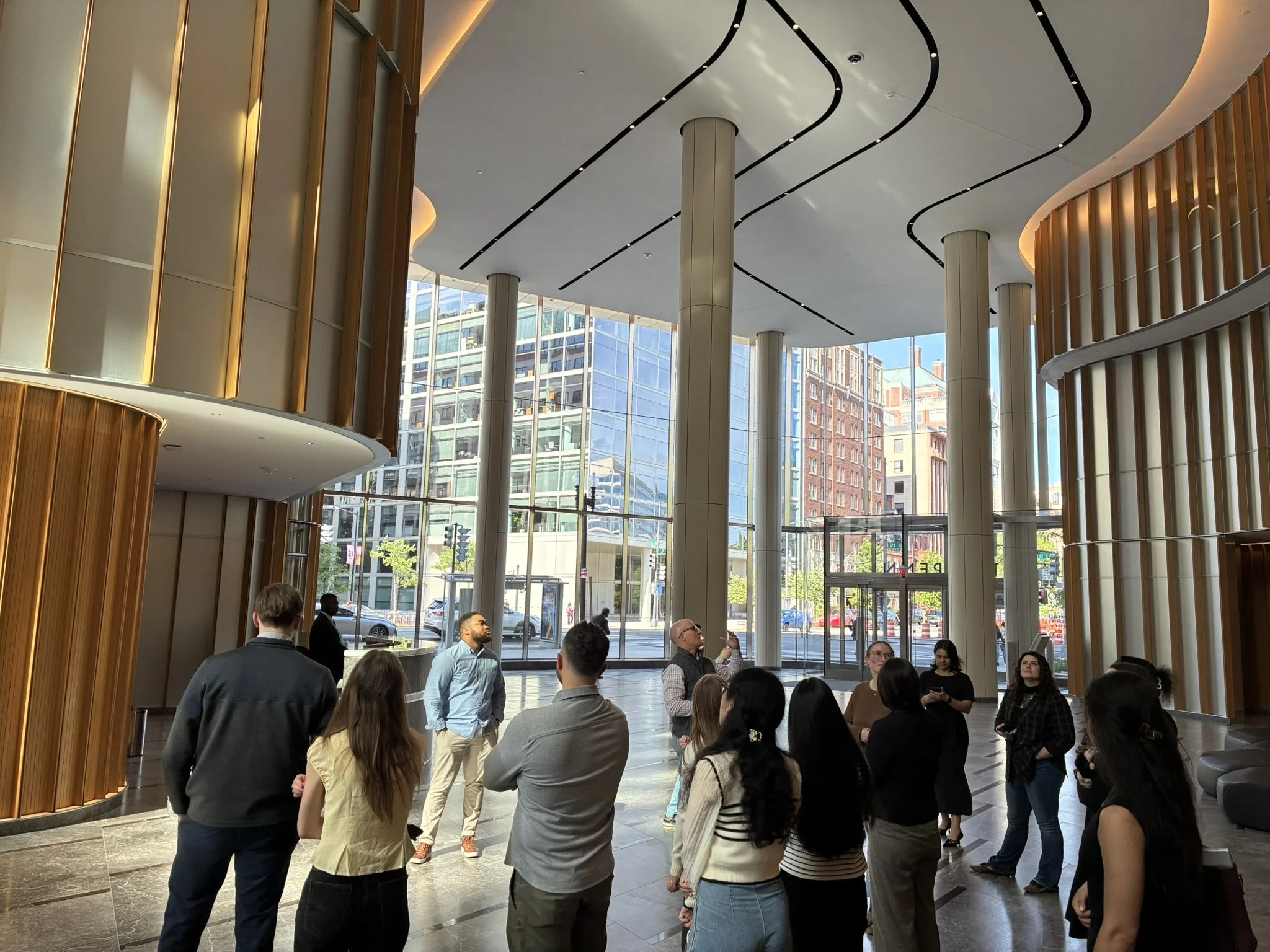
The final act brought concepts into practice through a building tour of 2100 Pennsylvania Avenue, guided by BXP. The tour provided insight into how design decisions are shaped by market demands, tenant priorities, and financial considerations. A key takeaway was the emphasis on marketability in commercial office design. Significant attention was given to amenity spaces, which play a major role in attracting and retaining tenants. The tour also highlighted the importance of accommodating anchor tenants while balancing the needs of smaller occupants, illustrating the complexity of stakeholder management in large-scale developments. Viewing the project through an ownership lens reinforced how design, business strategy, and user experience intersect in real estate.
BXP
Act 4: 2100 PENN Tour
Thank You to the 2026 Session 4 Sponsors