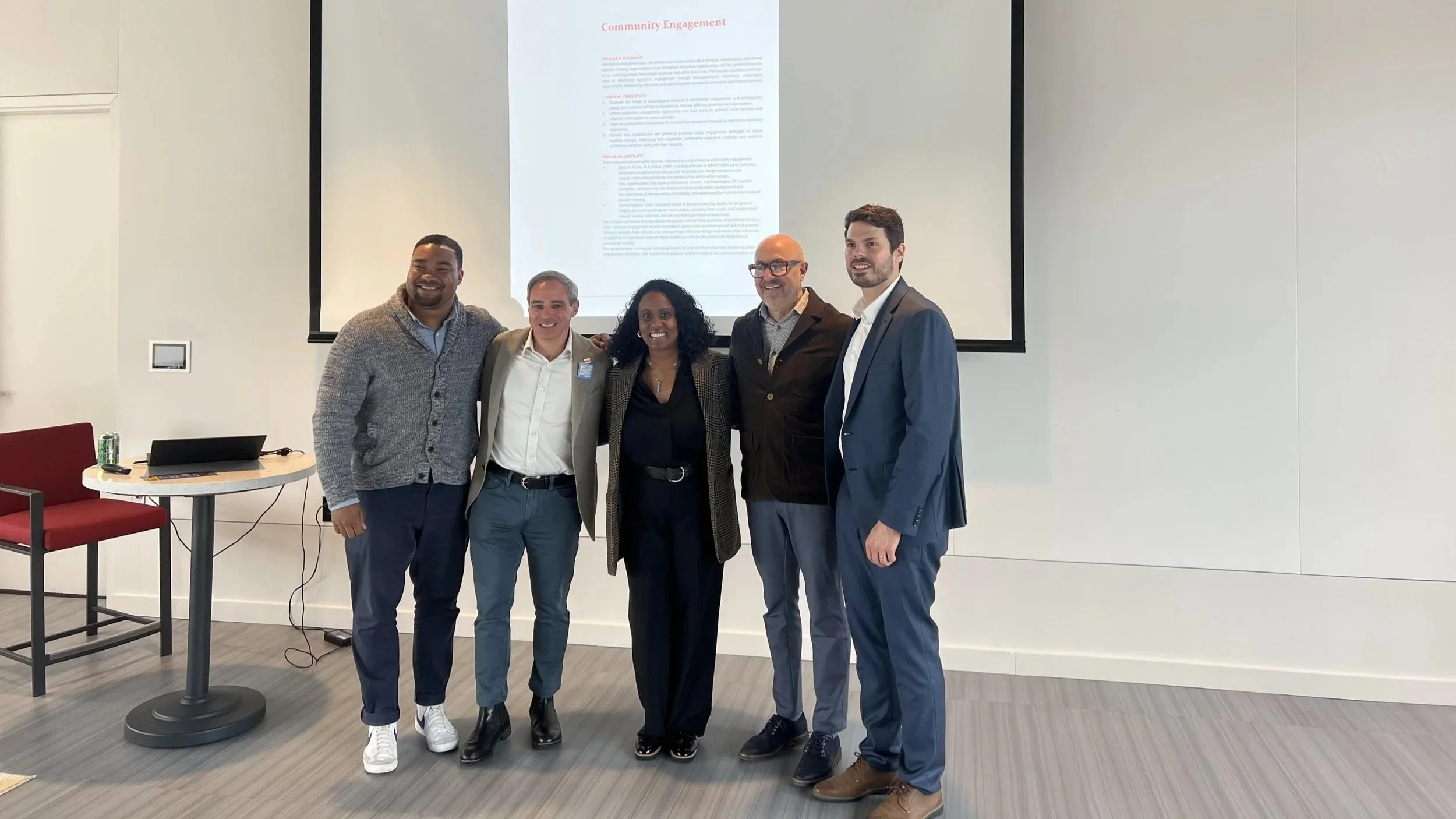
S2: Community Engagement
March 13th, 2026
Location
Skyline 609
609 H St NE 6th Floor, Washington, DC 20002
Led by
Theodor Harasim
Timothy Hawkins, Assoc. AIA, NOMA, Fitwel Ambassador
The second session of CKLDP, titled Community Engagement, highlighted the critical role of empathy in the design process. The scholars learned how creating equitable environments requires designers to move beyond a "check-the-box" exercise and truly incorporate the wishes, wants, and needs of a project’s constituents. The speakers presented various strategies for bridging the gap between designers and the public, ensuring long-term stewardship and project success. By exploring the intersection of design, policy, and community advocacy, the scholars gained a deeper understanding of how to build trust and create inclusive spaces where diverse people feel a sense of belonging.
Act 1: The Role of Design
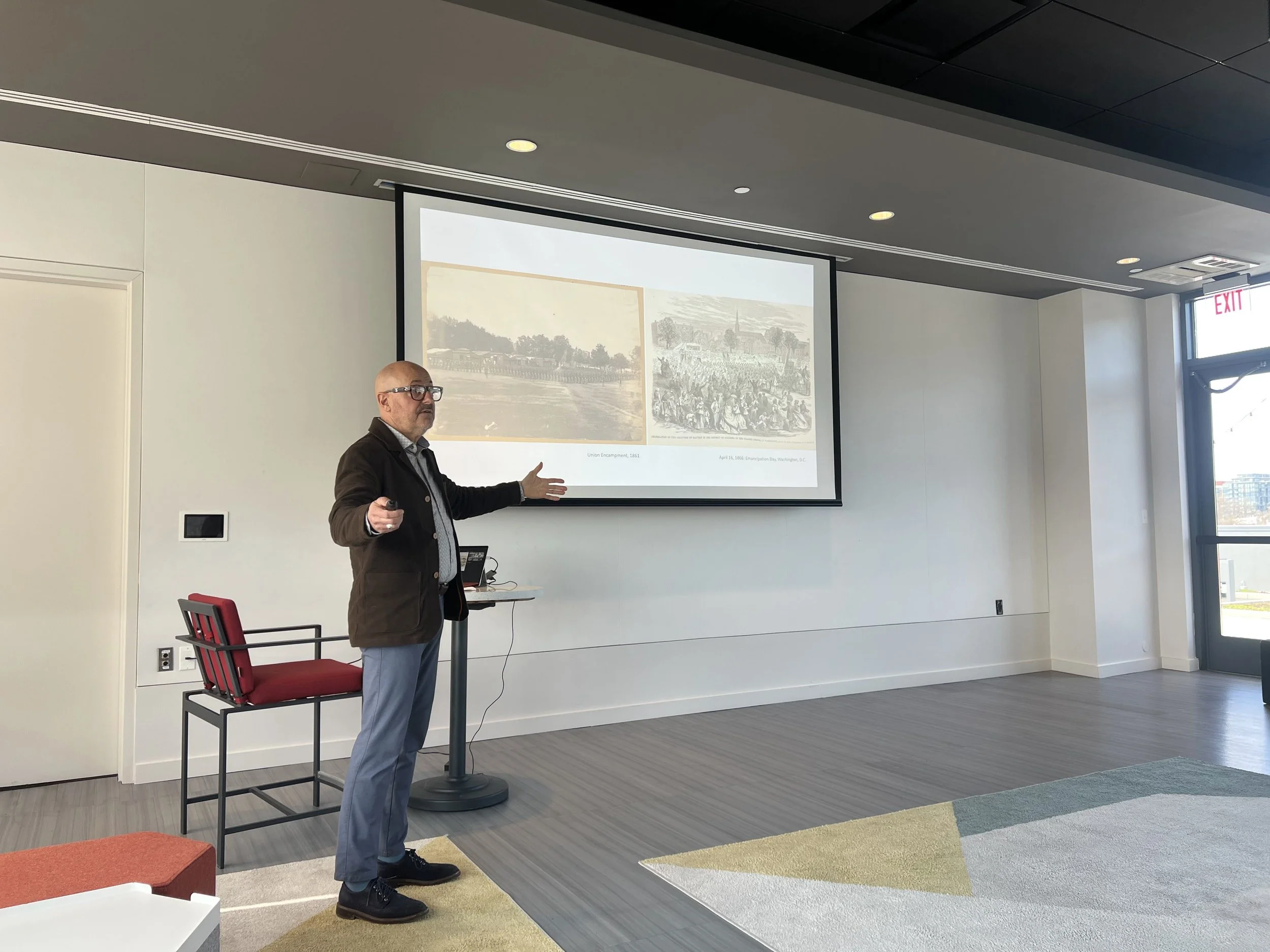
David Rubin, PLA, FASLA, FAAR
David Rubin, founding principal of Land Collective, described how empathy can serve as a foundational driver in shaping public spaces. He emphasized that community engagement is not a procedural requirement but a social responsibility, particularly within cities where fear, isolation, and inequity shape lived experiences. Rubin framed landscape architecture as a discipline rooted in sociology, ecology, and human behavior, capable of meaningfully influencing how people encounter difference and build connections. Through projects in Detroit, Canal Park, and Franklin Park, he illustrated how listening to community needs can guide design that strengthens social resilience. His practice demonstrates how human‑centered, empathetic landscapes help communities feel represented, welcomed, and empowered within their environments.
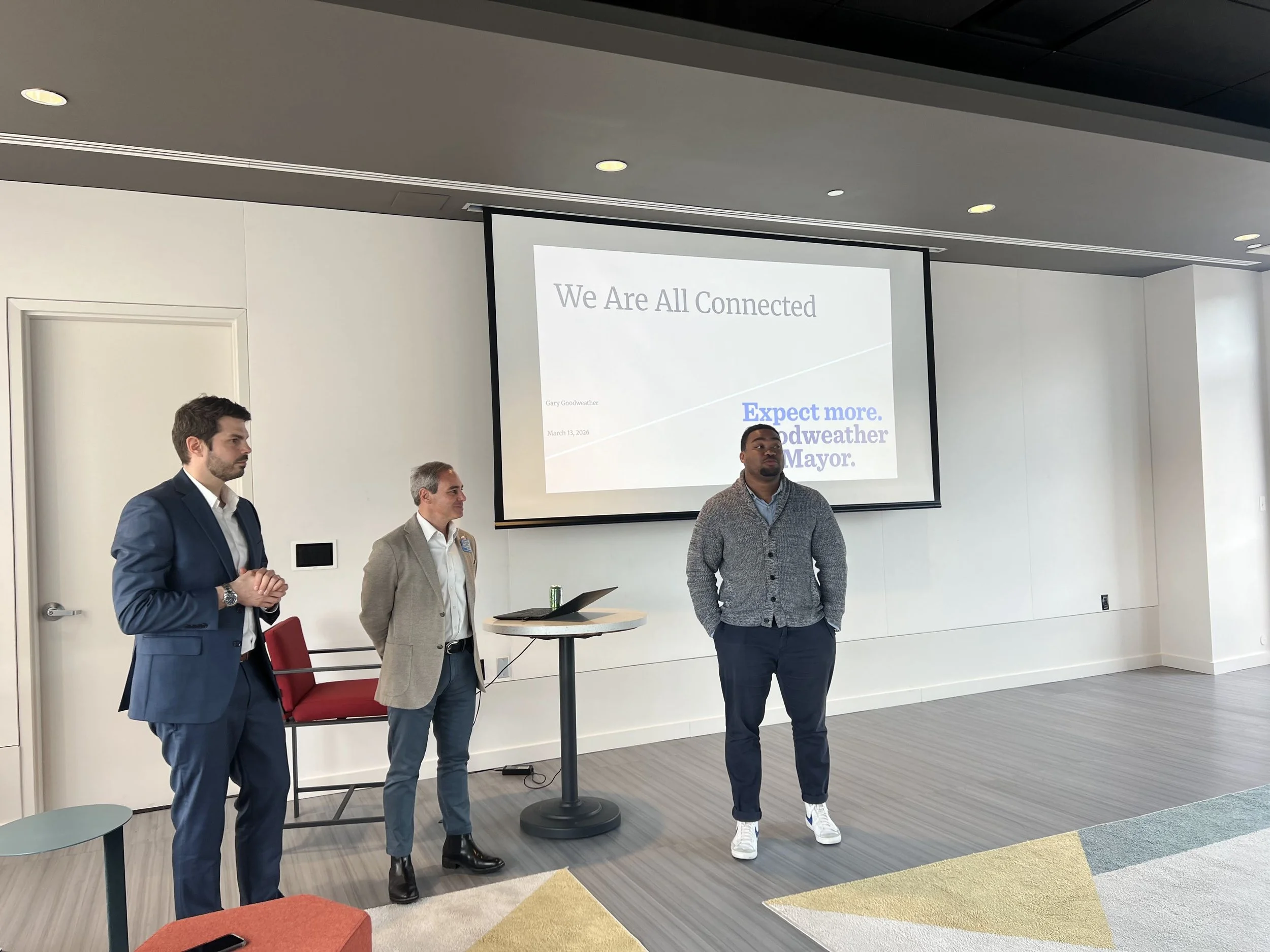
Gary Goodweather
Gary Goodweather, a longtime developer and current mayoral candidate for Washington DC, examined how capital, policy, and community engagement intersect to shape urban development. He emphasized that the systems governing affordability, transit access, and neighborhood growth are deeply interconnected, often determining who benefits and who is left behind. Using projects like NoMa’s Constitution Square and the Society for Science redevelopment, he illustrated how targeted investment can catalyze broader neighborhood transformation but also how outdated entitlement processes and rigid financing structures can divide communities. Goodweather argued that rethinking public engagement, incentivizing clean energy infrastructure, and expanding equitable access from housing to transportation are essential steps toward building a more connected and sustainable city. His perspective highlights how policy innovation paired with continuous community dialogue can support long term resilience and shared prosperity in Washington DC.
Act 2: The Role of Policy
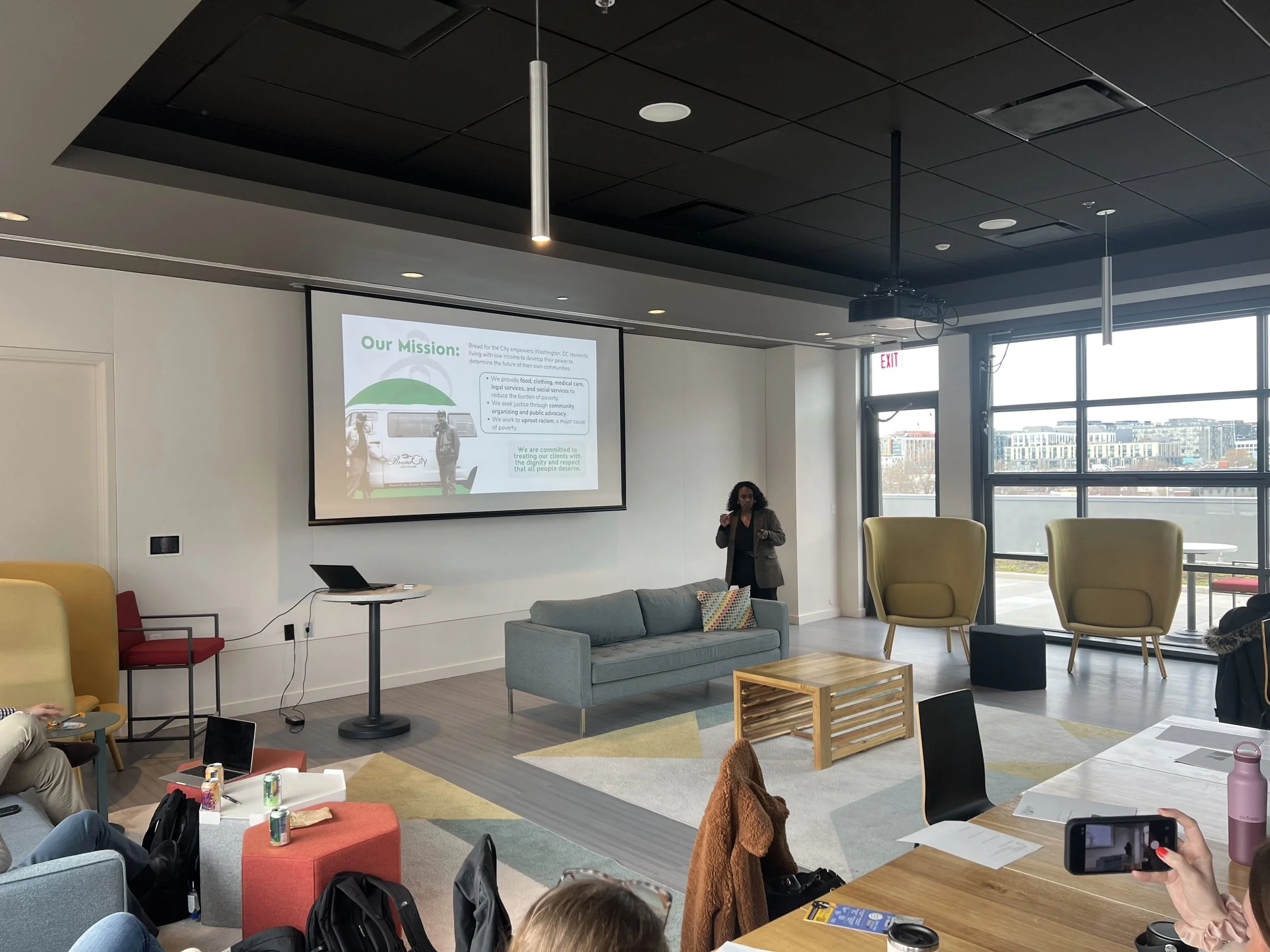
Toshira Monroe, Chief Operating Officer at Bread for the City, highlighted the essential role that designers and community-serving professionals play in addressing inequity through the built environment. Drawing from her lived experience and the organization’s 50‑year history, she emphasized that poverty and racism shape who has access to healthy, dignified spaces. Community voices, especially those historically excluded, must guide design decisions from the start. As Bread for the City expanded from church basements to multi‑service facilities, Monroe showed how gardens, gyms, adaptable rooms, and welcoming entry points emerged directly from community needs. Her message underscores that design is not only about buildings but also about belonging, representation, and long‑term community resilience.
Toshira Monroe
Act 3: The Role of Community
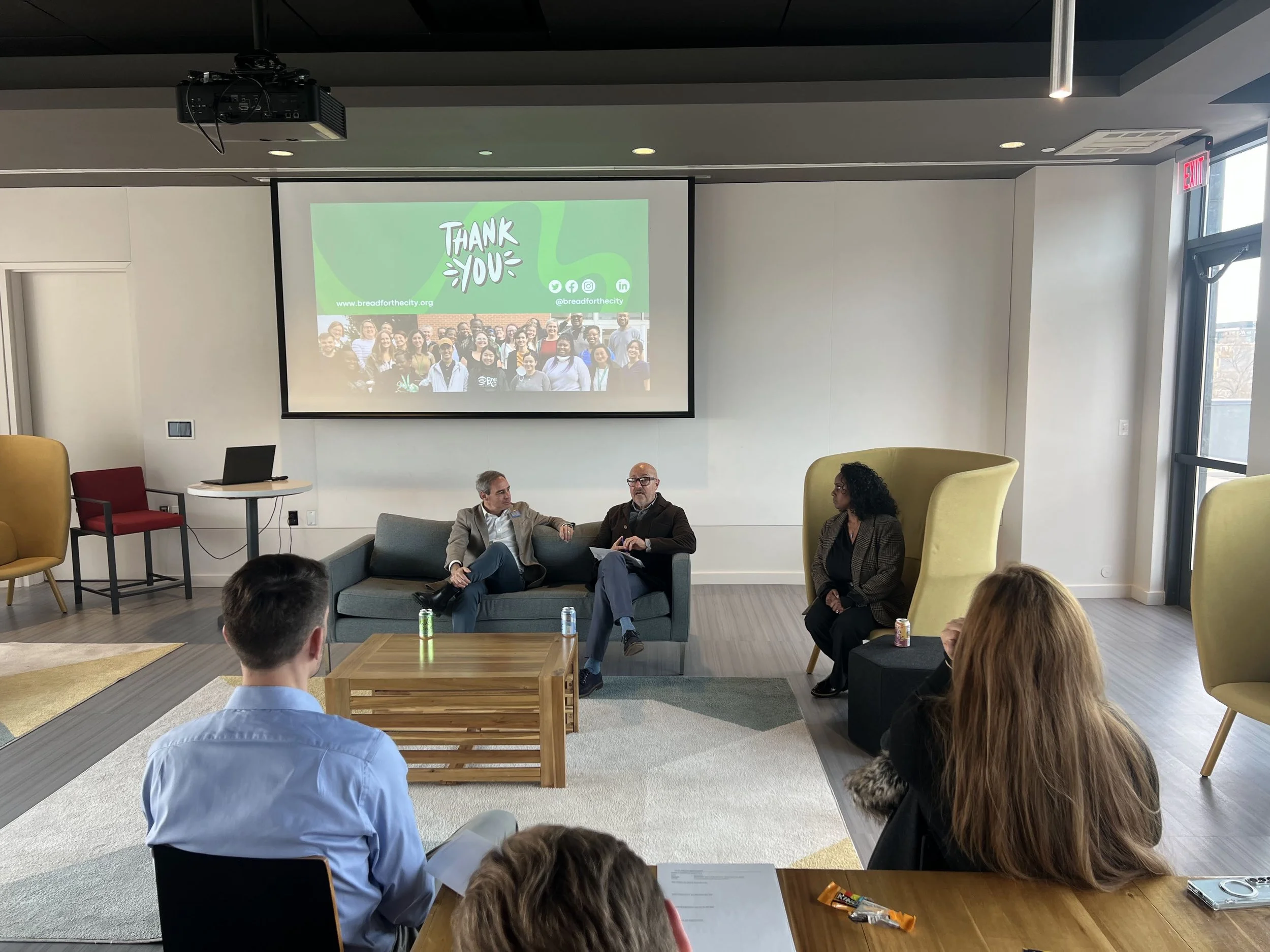
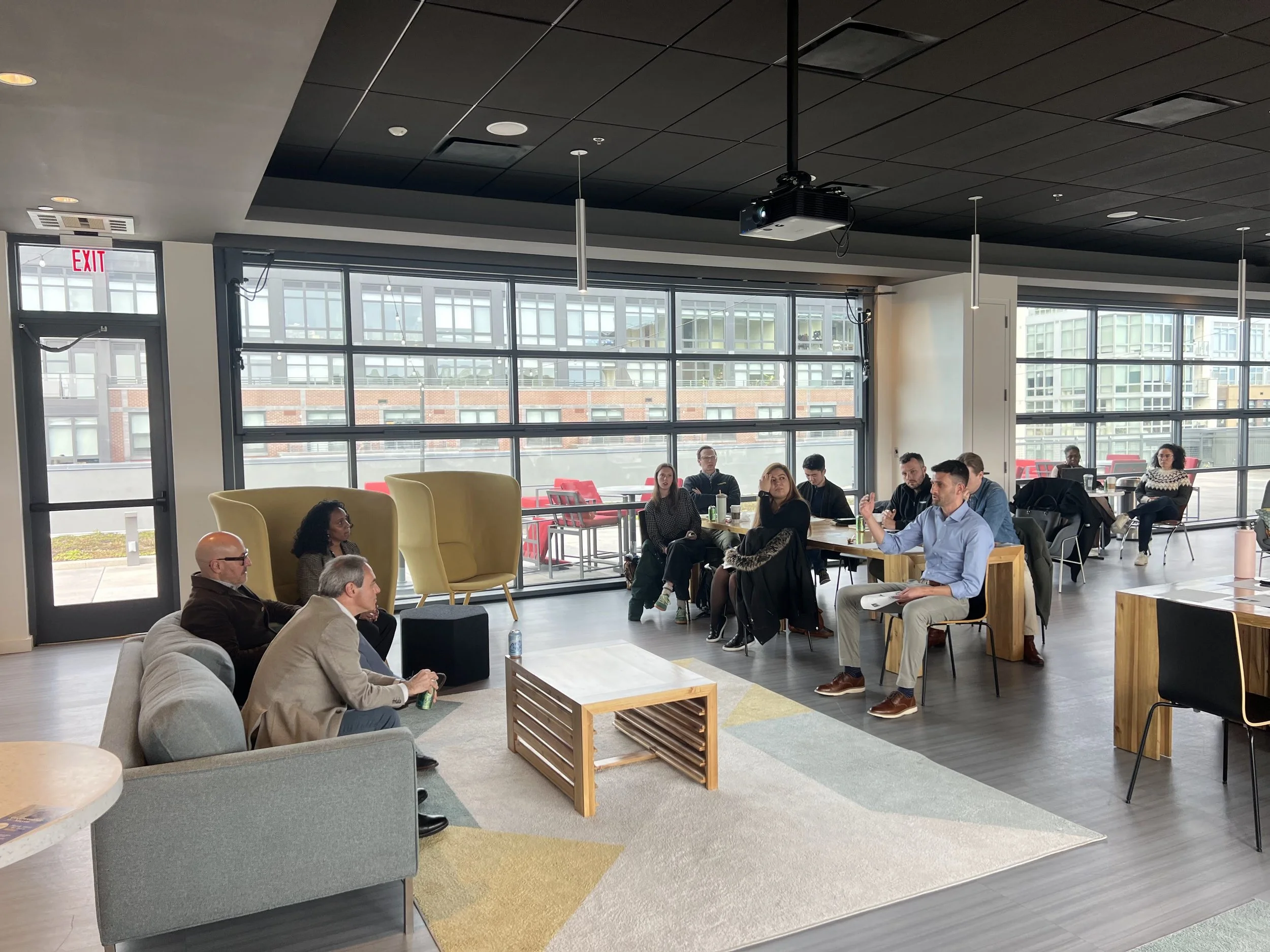
During the roundtable, the group discussed the importance of engagement strategies before, during, and after a project’s lifecycle to ensure architects effectively convey a community’s story. This included identifying local leaders early on, meeting residents on their own turf, and reframing project conflicts as opportunities for creative problem-solving. The speakers emphasized that moving beyond surface-level participation creates an 'emotional return on investment,' resulting in spaces that residents will truly protect and cherish. Ultimately, the scholars were encouraged to ingratiate themselves into their own communities, ensuring their design decisions reflect a commitment to service and long-term stewardship beyond the drafting table.
David Rubin, Gary Goodweather, Toshira Monroe
Act 4: Roundtable Discussion
Thank You to the 2026 Session 2 Sponsors