S3: Tackling Climate Change
April 17th, 2026
Location
AIA Global Campus for Architecture & Design
1735 New York Avenue, NW, Washington, DC, 20006
Led by
Elyse Viere, AIA, LEED AP BD+C
Collin Stack, Assoc. AIA, LEED Green Associate, Fitwell Ambassador
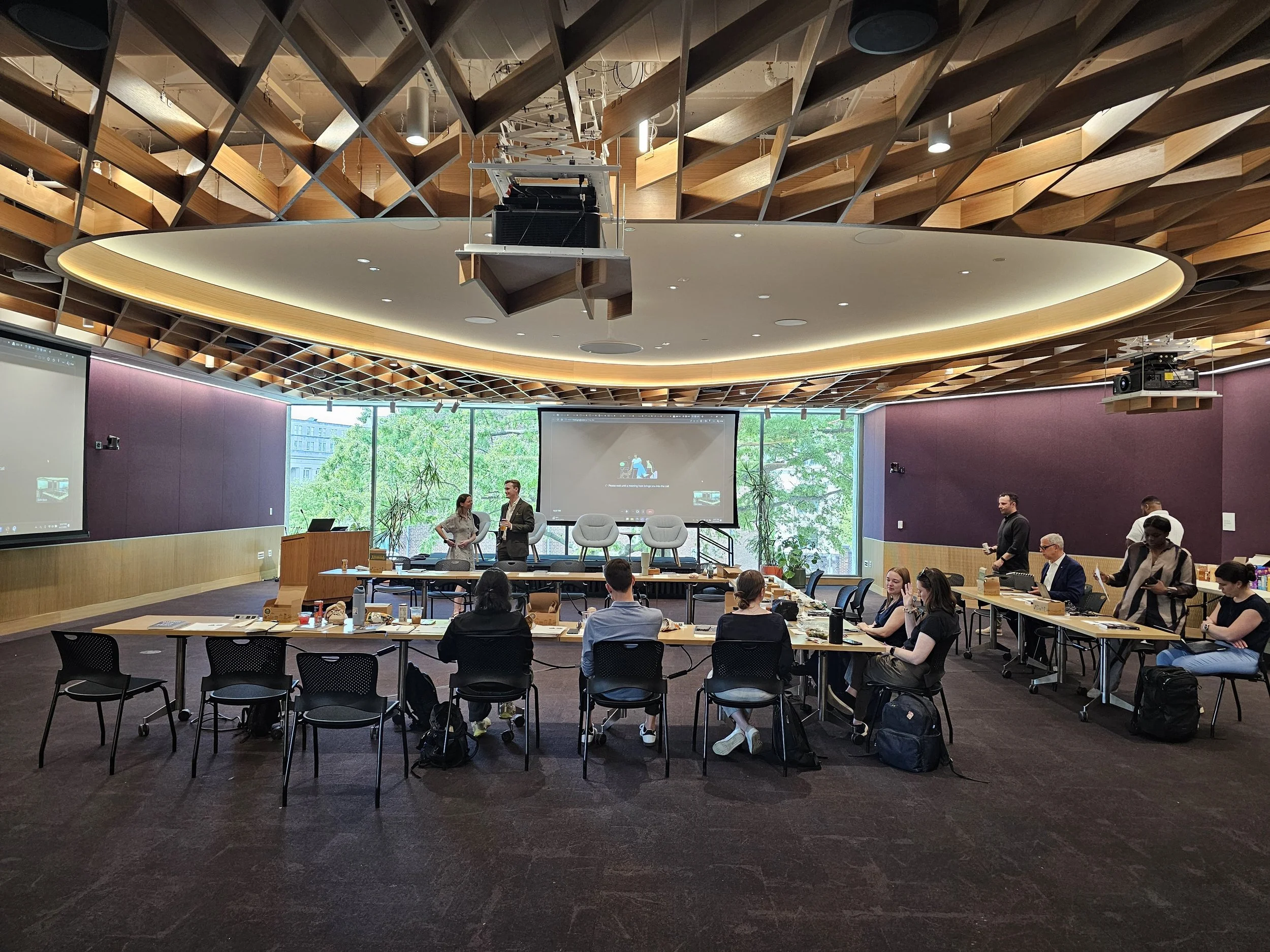
Session 3 focused on the expanding leadership role architects play in addressing climate change through inspiration, investment-minded decision-making, and practical implementation. The session was structured around three acts—Inspire, Invest, and Implement —highlighting how design leadership can drive meaningful environmental and social impact.
Act 1: “Going for Zero”
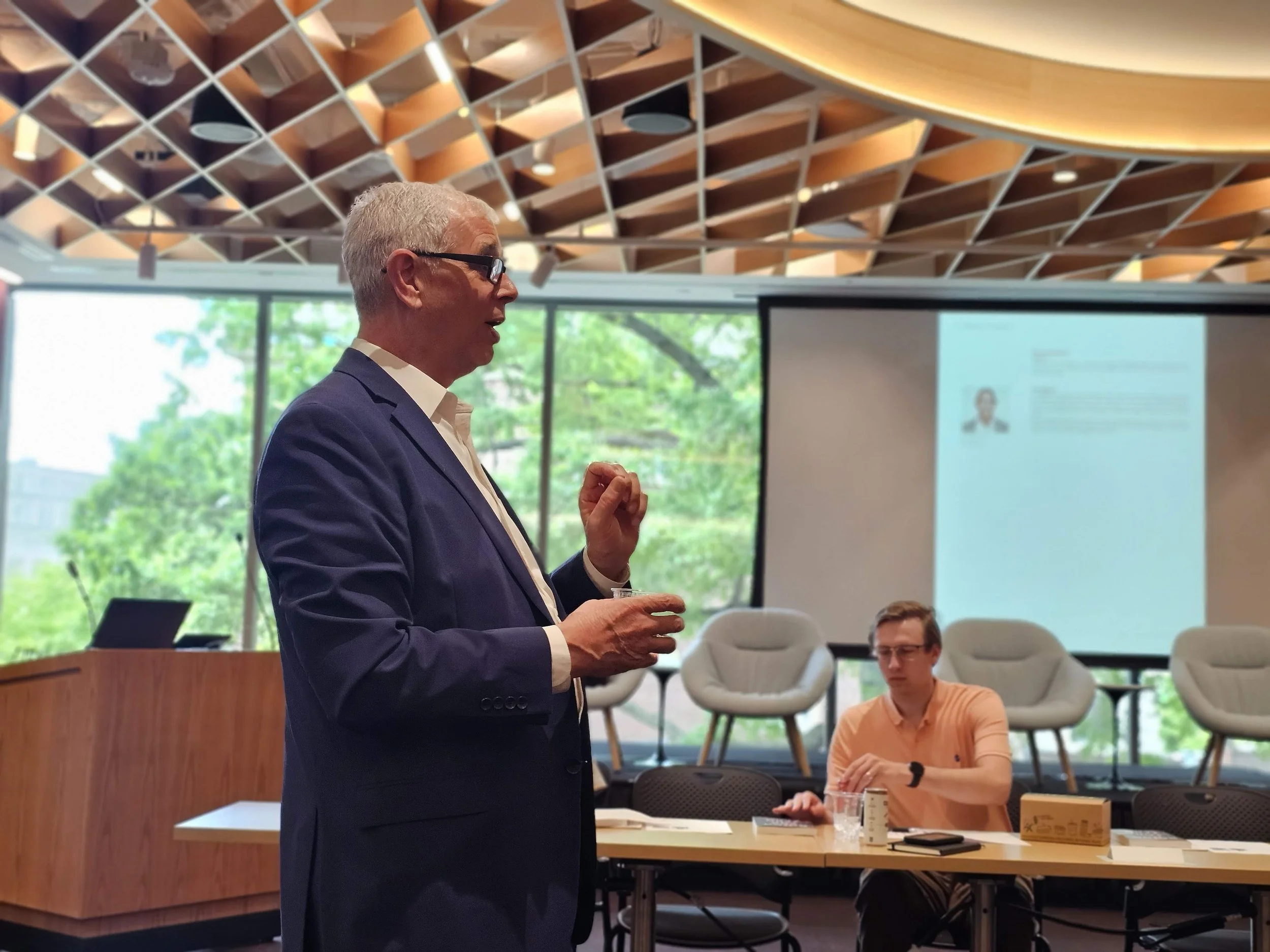
Carl Elefante, FAIA, FAPT
Carl Elefante, former AIA President, opened the session by reframing architecture as a powerful tool for climate action and societal well -being. Emphasizing the idea that “performance follows form,” he challenged participants to think beyond aesthetics toward intelligent, performance -driven design. Elefante underscored that the 21st century is both the Urban Century and a pivotal moment for addressing climate, justice, and urban resilience.
Drawing on concepts from How Buildings Learn by Stewart Brand, he highlighted architecture as a system capable of adaptation, reintegration, and healing. With carbon pollution increasing and nearly 800,000 buildings demolished annually, Elefante stressed the urgency of smarter material choices, consideration of the biosphere and lithosphere, and predictive design strategies that build confidence through performance. His message reinforced that architects shape lives —and the future—through informed, climate-conscious leadership.
Gautami Palanki, LEED AP BD+C, LEED Fellow
The second act shifted focus to the investment and development perspective through a Q&A with Gautami Palank, an award-winning sustainability strategist, leading the enterprise-wide sustainability platform at AvalonBay Communities . This discussion illuminated how sustainability is increasingly embedded in development decision-making, from site selection through post-construction performance tracking.
Key insights included the importance of tracking embodied carbon, using proformas to understand financial and environmental trade-offs, and recognizing LEED as a guiding framework rather than a checklist. Palanki addressed how sustainability aligns with shareholder interests, the value of a 1.5°C -aligned carbon roadmap, and the growing expectation for companies to report on environmental and community impact. The session highlighted the expanding agency architects have when they understand financial models and sustainability metrics.
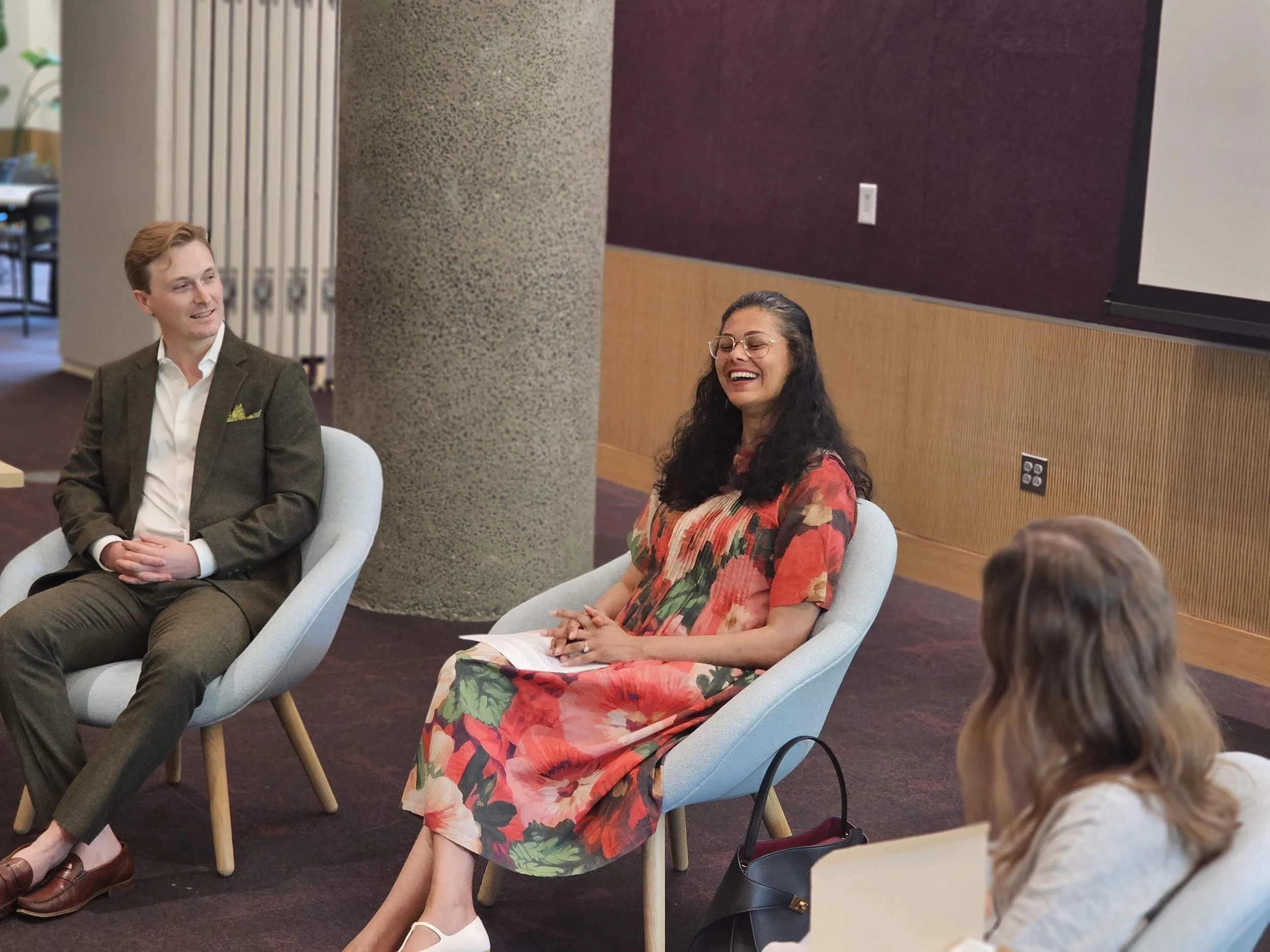
Act 2: Sustainable Strategies Q&A
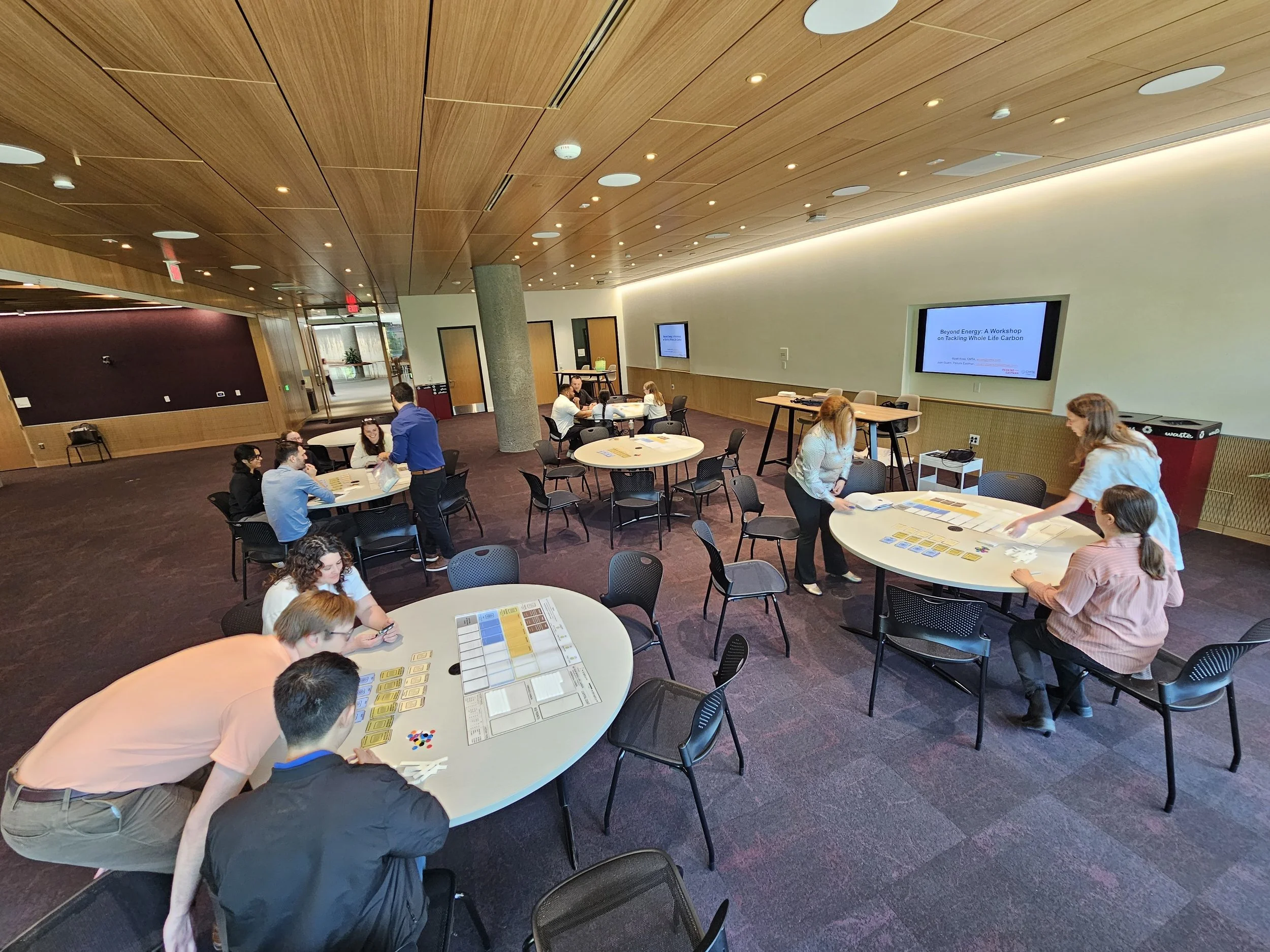
Act three translated theory into practice through an interactive sustainability board game, “Climate Hero,” facilitated by Juan Guarín, sustainability specialist at Perkins Eastman. Scholars explored the embodied and operational carbon implications of various structural, mechanical, and enclosure strategies. The game allowed participants to directly experience the trade -offs inherent in building decisions and to better understand how early design choices affect long-term climate outcomes.
Key Takeways
Architects are critical leaders in addressing climate change through performance -driven, adaptive design.
Sustainability and financial viability are increasingly interconnected in development and investment decisions.
Practical tools and interactive learning can clarify the climate impacts of design choices and empower informed action.
Juan Guarin, LEED AP BD+C, WELL AP
Act 3: “Climate Hero” Game

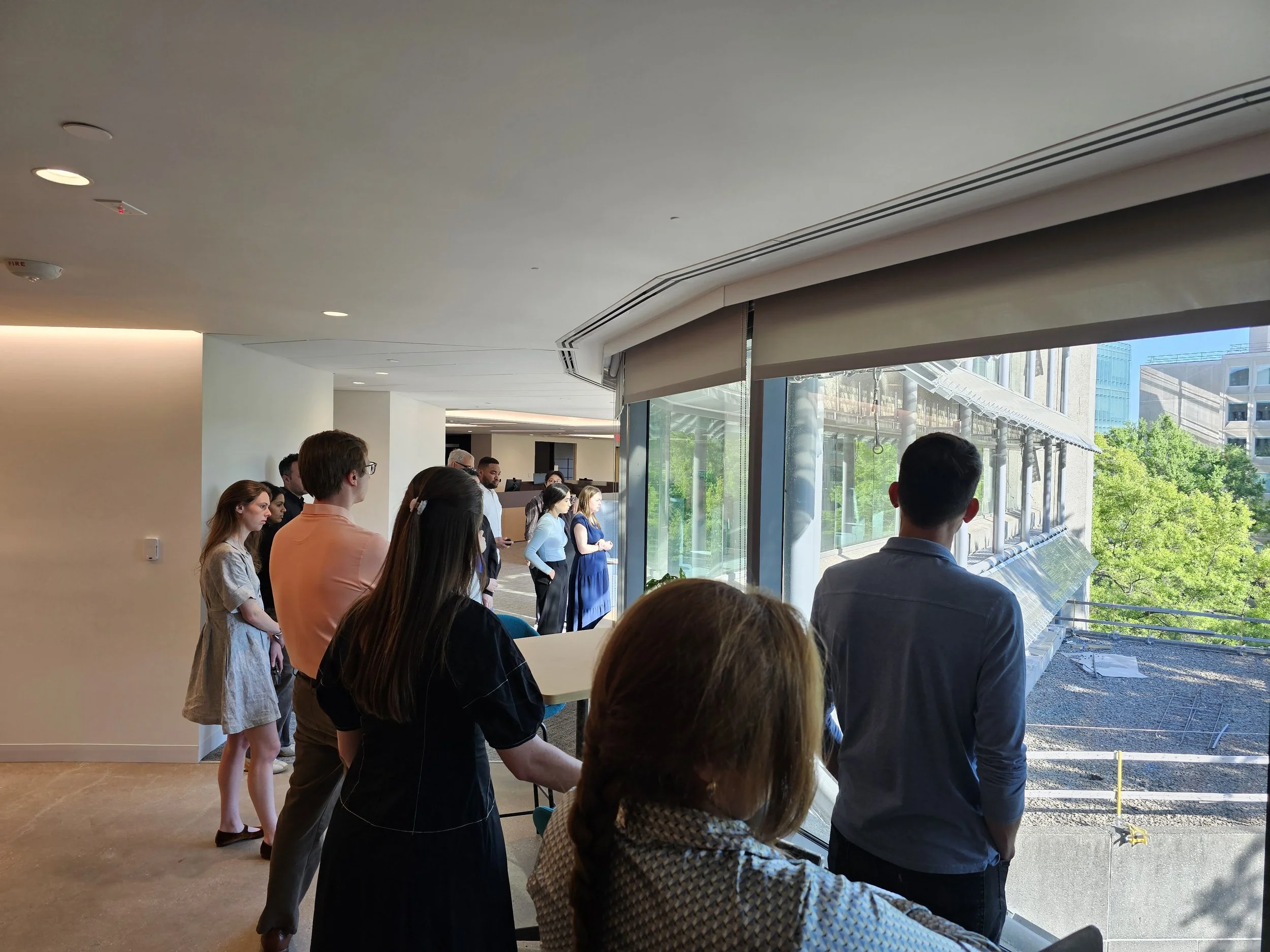
The final act involved a tour of the newly renovated AIA Global Campus for Architecture and Design . In a concrete example for the profession that solidifies the 2030 Commitment’s climate strategies beyond lofty ideals, the AIA chose to preserve and retrofit its headquarters. This facelift modernizes materials and systems in pursuit of LEED Platinum and WELL Building Standard certifications. The building is one of the first fully decarbonized major renovations in the U.S.
Emma Woodward, NCIDQ, LEED Green Associate and David Sidell
Act 4: AIA Global Campus Tour
Thank You to the 2026 Session 3 Sponsors